

Complete the following form to download your document.
Article
7 food and beverage industry trends reshaping shelves in 2026
Food and beverage formulation trends: The flavors, formats, and formulas that will define 2026, and how to make them work for your brand
Why 2026 matters: The consumer trends behind R&D
The food and beverage industry is heading into a big year. In 2026, the rules of engagement are changing swiftly. Health and wellness aren’t just buzzwords; they’re reshaping every aisle. Sustainability is no longer optional, and authenticity? That’s the new currency. Add in tech-driven innovation and significant lifestyle shifts, like the rise of GLP-1 weight-loss drugs, and you’ve got a recipe for disruption.
So, what does this mean for brands, formulators, and suppliers? It means the pressure is on to deliver products that check all the boxes: better-for-you, planet-friendly, and crave-worthy. Retail shelves are now trend incubators and AI is speeding up the race to market. If you’re asking, “What do I need to know to stay ahead?”, you’re in the right place!
Our Foodology by Univar Solutions team has identified seven food and beverage industry trends that will define 2026. Consider this your cheat sheet for what’s next in flavour, formulation, and consumer expectations.
Seven trends that will likely shape the food and beverage industry's overall outlook.
- Food ingredients at the forefront: Sugar and fat reduction, clean label, functional foods, and beyond
- Tailored-for-me: Personalized health and nutrition
- Plant-based food products: Overcoming perception challenges with plant solutions
- Gut guardians: Feed and flourish from within
- A sustainable way forward for food and beverage: Climate change and supply chains
- Wonderfully wild: Flavor and texture redefined
- AI-powered food: Data-driven diets

1. GLP-1 shrinks portions but raises the bar on nutrition
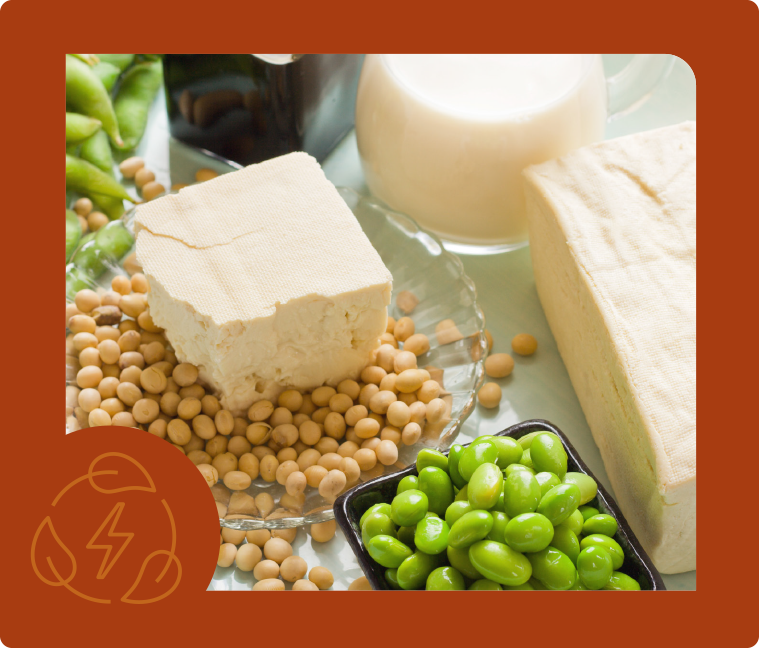
The GLP-1 effect is real. It’s rewriting the playbook for portion sizes and amplifying the value of every bite or sip. Consumers on these medications want calorie-conscious, nutrient-dense foods that deliver satiety without sacrificing taste. Think smaller servings packed with plant-based proteins, prebiotics, probiotics, vitamins, and minerals. Calorie reduction? Novel Stevia technologies and natural taste modifiers are leading new innovations daily. Need to maintain that familiar mouthfeel? Behind the scenes, starches, gums, and stabilisers keep texture and quality intact. It’s all about making more nutrient dense options that taste great.
2. Digestive Health takes the spotlight
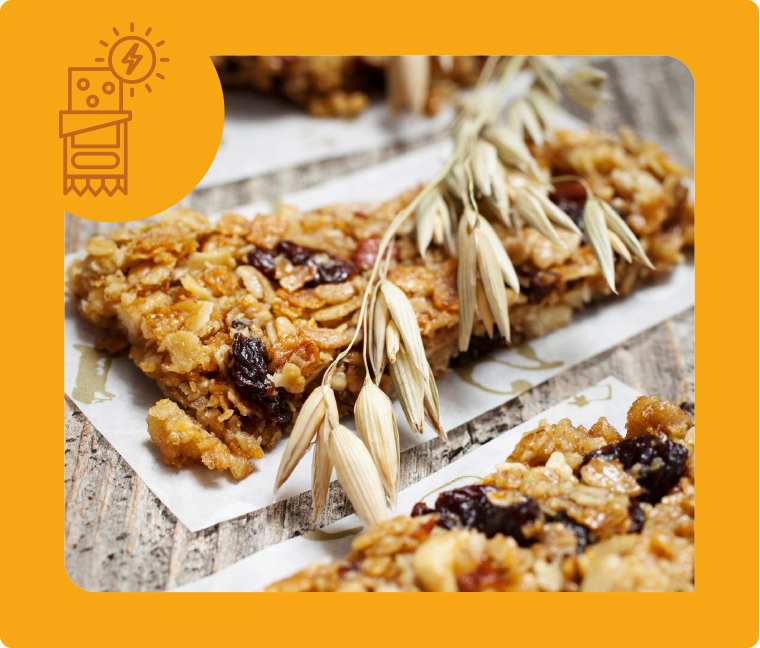
Remember when fibre was simply favoured? In 2026, it’s quickly become a focal point for consumers everywhere. With trends and newsfeeds fuelling digestive wellness and satiety, the “fibremaxxing” phenomenon is driving new buying patterns, particularly among younger shoppers. Gut health is driving demand for fibre and probiotic-forward innovation across bars, bakery, ready-to-drink (RTD) beverages, and snacks. From fortified pasta to ready-to-mix beverages and pantry staples, expect to see more ingredient labels containing fibre and probiotic sources ranging from inulin, stable-probiotics, and oligofructose (FOS) to soluble corn fibres, resistant starches, polydextrose, cellulose ethers, gums, citrus fibres, and beyond. Bonus points for those that boost texture and digestive wellness while supporting clean-label stability. While protein had (and continues to have) its moment, fibre steps into the 2026 limelight.
3. From simplicity to authenticity: The new age of clean label
With greater political and regulatory pressure and global priorities surrounding health, sustainability, and authenticity, the clean label movement is growing and evolving. It’s not just about what’s missing, it’s about what’s real. Shorter ingredient lists, natural colours and flavours, and heritage techniques for preserving food naturally, like fermentation and pickling, are winning consumer trust. Formulators are leaning into plant-based sweeteners, whitening alternatives, colours, flavours, clean preservatives, antioxidants, and enzymatic solutions to keep products safe and sensory-rich without compromising on free-from claims. Transparency, considered a trend in the past, is now table stakes.
4. Flavour complexity as a differentiator
Dragon fruit, bulgogi, hot honey (the ultimate sweet and spicy; swicy flavour), and cheese beyond cheddar are popping up all around us. Consumers are craving bold, maximalist, and layered flavourful experiences- that feel global yet approachable. From elevating routine meals at home to creating moments of joy and escape, flavour is about far more than taste alone; it’s also about experience. When economies turn and vacations and “splurge meals” get put on hold, the craving for indulgence doesn’t disappear. Bold flavours blended with nostalgia and spice can be just the ticket for channelling the feeling of affordable luxury. The challenge? Delivering indulgence with a health-conscious twist. Natural taste modifiers, gums, and stabilisers are key to balancing sweetness, mouthfeel, texture, and aroma in reduced-sugar systems.

5. Supply chain shake up: smarter ingredients for the win
Supply chain volatility is forcing brands to re-think sourcing strategies. In recent years, for example, cocoa prices have surged due to poor weather, pest infestation, and tight West African supply, leaving chocolatiers, bakers, and beyond facing the lagged impact of record-high cocoa prices from late 2024 passed down the value chain. Simultaneously, eggs saw dramatic spikes in 2025 and continue to be under immense pricing pressure due to widespread avian influenza outbreaks and flock losses.
Manufacturers quickly looked to reformulate with citrus fibre, starches, modified starches, gums, and plant-based proteins, rewarding ingredient sources that embrace sustainability with a competitive advantage. As 2026 continues to unfold, upcycled ingredients and carbon labelling will become much more than nice-to-haves.
6. Functional foods and nutraceuticals go mainstream
Collagen, adaptogens, probiotics, and prebiotics, these functional ingredients are moving from niche to norm. With ‘pill fatigue’ on the rise, consumers want wellness benefits delivered to them in formats that fit their lifestyles, such as ready-to-drink beverages (RTDs) and snacks. What’s next? As the population ages and preventive health becomes a growing priority (among all age categories), consumers are increasingly taking a more active role in managing their own health.
Whether supporting cognitive health through nootropics or menopausal symptoms in women’s health, look for chocolate, beverages, and even pasta as next in introducing new products and concepts to the market.


7. Tech-enabled innovation
AI is accelerating how products are being developed, impacting ideation, formulation, and supply chain solutions. From sugar reduction to cocoa reformulation, AI is helping brands optimize formulations faster. Smart packaging and QR codes are turning labels into storytelling tools, giving consumers transparency and brands a way to stand out on crowded shelves. Retail is now a trend lab and technology is the accelerator.
Final bites from Foodology by Univar Solutions
2026 is all about balance: health, flavour, and sustainability. Brands that nail this trifecta, while adapting to GLP-1-driven portion trends stand the greatest chances of winning.
At Foodology by Univar Solutions, we’re here to support you so you can source the right ingredients and innovate with confidence. Our unique and diverse ingredient portfolio features cellulose ethers, starches, modified starches, plant-based proteins, collagen, whey, stabilizers, citrus fibres, gums, natural flavours and colours, natural antioxidants, enzymes, plant-based sweeteners, natural taste modifiers, nootropics, and more.
Ready to start formulating for the future of food? Contact us today!
Create your next winning recipe with Foodology by Univar Solutions.
References
Datassential—2026 Trends report (fiber’s rise, retail innovation, flavor shifts):Prepared Foods coverage • Datassential release
Whole Foods Market—2026 forecast (fiber frenzy, retail as trend incubator):Press release • Progressive Grocer summary
Mintel—Global Food & Drink Predictions 2026 (retro rejuvenation, diversity in nutrition, intentional sensory):Mintel press • Prepared Foods recap
FoodNavigator—Top 10 Food & Beverage Trends 2026 and market desk (AI reformulation, cocoa crisis, GLP1 pathways):Market trends desk
GLP1 adoption & disruption (NA impact on consumption, portion sizes, and reformulation):Food Business News • The Food Institute