
Complete the following form to download your document.
Protecting Soil, Air and Water
Preventing accidental chemical releases during all handling stages of our operations and supply chain
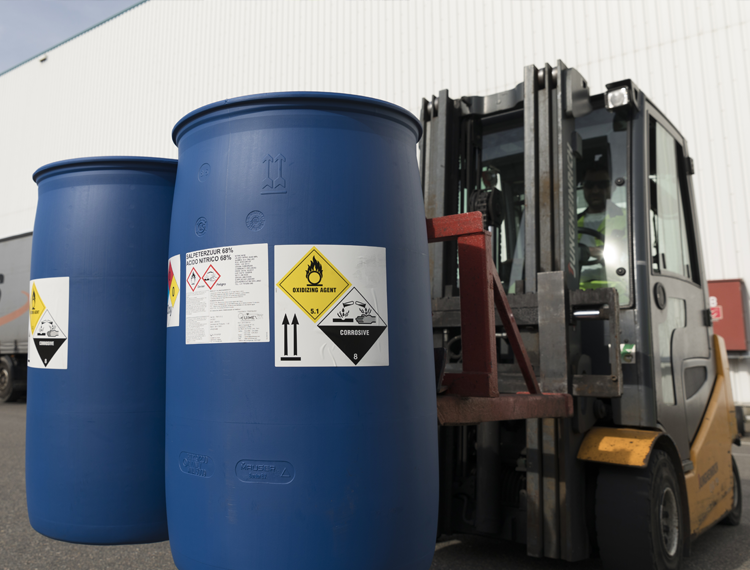
At Univar Solutions, we strive to support the responsible handling of materials across our operations and supply chain. As a business handling millions of tons of chemicals and ingredients annually, it is imperative to keep a sharp focus on accidental release prevention. Using delivery checklists, engaging with customer operators and following procedures during chemical transfers and movement is key to mitigating human error.
Explore how we promote responsible handling as part of our commitment to reducing significant chemical releases below 50 per year by 2030.

Jack Spicuzza
Vice President, Environment, Health, Safety and Quality
“Safety is our first priority at Univar Solutions, which includes supporting the responsible handling of materials across all stages of the process – from receiving goods and onsite processing to global delivery. Working with our customers and suppliers, we take comprehensive efforts to minimize risk for the health of our people, communities, and local environments, reduce product losses and costs, and raise awareness.”
Where we take action
Infrastructure and Investment
- Mechanical integrity
- Secondary containment
Processes and Procedures
- Robust systems and tools for safe handling and delivery
- Comprehensive work instructions for all bulk transfers
Culture
- Zero release expectation
- “Serious about Release Prevention” mantra
2025 Performance Highlights
Promote responsible management of materials throughout our operations and supply chain.
- 68 significant chemical releases in 2025, down 18 percent from a baseline of 83
- Continued our global rollout of behavior-based safety training with focus on release prevention
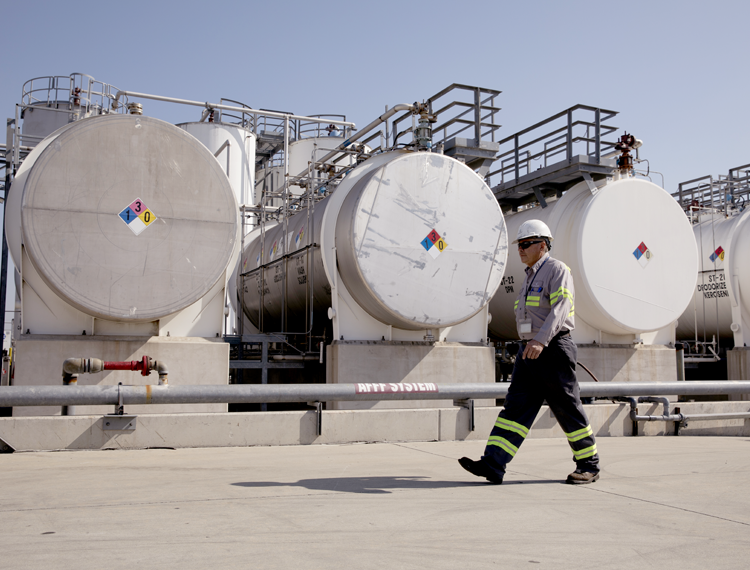
Univar Solutions leverages its global EHS policy, and the standards outlined in our Operating Standards Manual to ensure that all operations implement engineering and safety process controls. Additionally, we comply with all applicable legal requirements and adhere to best industry practices through our commitment to the Responsible Distribution Code and Responsible Care. Our sites implement engineering controls, where applicable, including secondary containment, scrubber technology, overfill protection, and other air pollution control equipment across all operating facilities. Our dedicated field Environment, Health, Safety, and Quality (EHSQ) teams proactively focus on coaching and training our operations teams to ensure compliance with our established industry best standards.
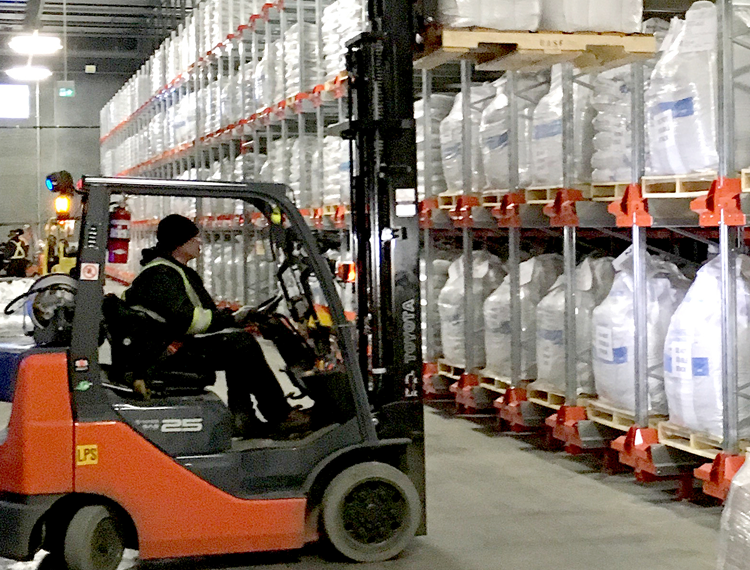
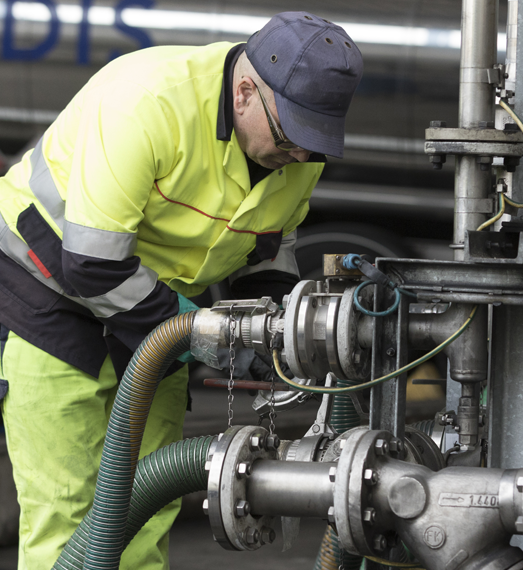
We take release prevention seriously
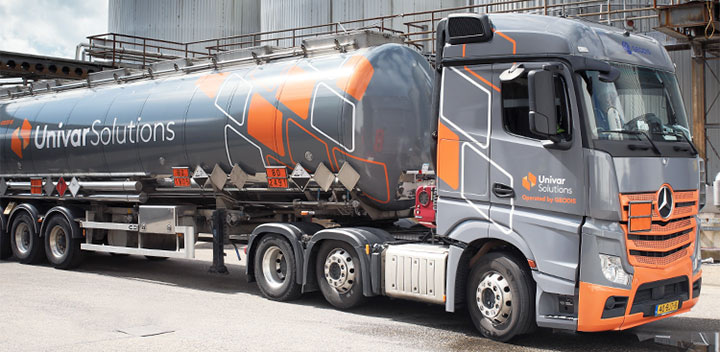
Release prevention is a serious topic for all our employees around the globe. Efforts to prevent accidental releases cover all stages of the materials handling process, from receiving goods, processing on-site and delivering our products to customers through our global fleet. We also work directly with customers and suppliers to share product hazard information, handling instructions and reporting issues to help prevent accidental releases across our supply chain.
Handling materials responsibly includes minimizing the impacts of any release. We prevent losses by implementing secondary and tertiary containment practices, to ensure that any significant release would not negatively impact the wider environment. By investing in our infrastructure, equipment and people to enhance performance, we minimize risk, safeguard our employees’ and the environment’s health, and reduce product losses and costs. Additionally, waste produced through our operations is handled by licensed contractors responsible for proper handling and disposal.
Case Study: Decreasing annual spillage at our facility in Mexico
In 2021, Univar Solutions was effective in executing our global release prevention action plan and reinforcing our zero-release culture. Highlights include:
- Achieving our 15 percent reduction target of significant release events (releases over 90kg or 200lbs) against the 2016 baseline.
- Shutting down nearly a dozen active remediation systems after meeting clean-up goals or installing in-situ technology.
- Holding safety stand downs in all regions to review the importance of release prevention and reinforce Stop Work Authority.
Additionally in North America, we continued our focus on release prevention by actively monitoring unproductive inventories, finding secondary uses for process chemicals, where materials are used in industrial processes but not consumed. We also invested in infrastructure to reduce releases. Examples include the installation of telemetry systems, upgrades to transfer lines, recoating containment and improvements to tank farms.