
Complete the following form to download your document.

Climate Action at Univar Solutions
Delivering measurable progress toward our 2030 climate goals and net-zero ambition
Climate change remains one of the most significant challenges facing our business, our customers and the communities we serve. At Univar Solutions, we are focused on taking practical, measurable action to reduce emissions, strengthen resilience and create long-term value.
Building on the strong progress achieved against our 2025 targets, we have set clear and ambitious goals to 2030. These goals are aligned with the Paris Agreement and reflect our continued commitment to advancing toward a net-zero carbon future across our global operations and value chain.
Our 2030 climate goals are:
- 43% absolute reduction in Scope 1 and 2 emissions by 2030, against a 2019 baseline
- 15% reduction in Scope 3 emissions intensity by 2030, against a 2023 baseline
- Continued progress toward net-zero emissions by 2050
These goals apply globally across our operations and exclude the use of carbon credits or avoided emissions, ensuring our progress is driven by real, operational change.
Reducing emissions across our value chain is a critical priority. We are working closely with suppliers, customers and partners to improve transparency, drive efficiencies and support lower-carbon solutions across the lifecycle of the products we distribute.

Dr. Liam McCarroll
Senior Director of Global Sustainability & Social Impact
“Univar Solutions’ purpose is to keep our communities healthy, fed, clean and safe, and addressing climate impact is fundamental to how we operate. We are taking a disciplined, practical approach to reducing emissions across our operations and value chain, delivering both environmental and business value. Through continued investment in technology, process improvement and organizational engagement, we are progressing toward our 2030 climate goals and our longer-term net-zero ambition”
Where we take action
Univar Solutions’ approach to climate change and energy use is based on (1) optimizing energy efficiency, (2) using electrical power where possible for heating, ventilation, air conditioning, plant equipment and transportation and (3) diversifying our fuel sources. These three categories are core to our strategy on emissions reduction.
Infrastructure and Investment
- Committed to invest $3 million annually in low-carbon technology across the business
- Developing on-site renewable energy production and procurement
- Increasing use of non-conventionally powered vehicles
Processes and Procedures
- Transitioning to increased procurement of electrified FLTs and hybrid cars
- Rolling out site sustainability assessments to key locations across EMEA and North America
- Beginning in 2022, reporting in line with TCFD, SASB and GRI frameworks
Culture
- 80 percent of all employees globally completed sustainability training in 2021
- Employee recognition programs focused on advancing our ESG goals
- Promoting sustainability action among Univar Solutions employees on a day-to-day basis
Emissions Reduction Strategy
Scope 1 and 2: Operational emissions
Our climate strategy is built on a clear and disciplined approach focused on three core areas: improving energy efficiency, transitioning to lower-emissions energy sources and electrification, and reducing fleet emissions through unit replacements, diversified fuel mixes and route optimization.
These priorities underpin how we invest, operate and engage our teams globally.
To deliver against our 2030 goals, we are focused on a defined set of operational and value chain levers, informed by detailed emissions tracking across all regions.
Key actions include:
- Improving energy efficiency across facilities, including lighting, HVAC systems, compressed air, steam generation and thermal efficiencies
- Enhancing operational performance through process optimisation, maintenance and automation
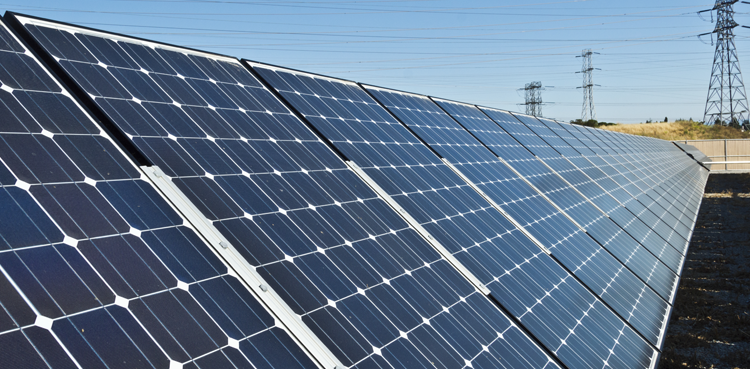
- Increasing use of renewable electricity, including direct on-site generation and market-based instruments
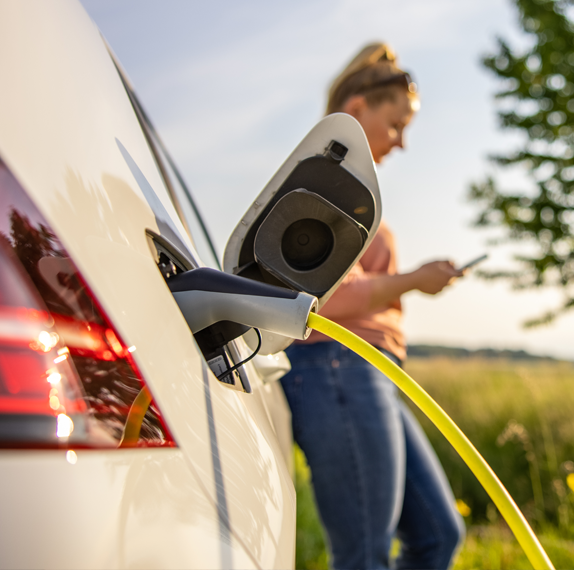
- Expanding electrification of operations and fleet adaptation to lower-emission technologies
- Use of renewable and lower-carbon fuels, including biogas and renewable diesel
- Optimising transport routing and logistics networks to reduce fuel consumption and mileage
These initiatives are supported by disciplined capital investment, with financial impacts and returns integrated into business planning and regularly reviewed by senior management and the Board.
Scope 3: Value chain emissions
Reducing Scope 3 emissions is central to our strategy and reflects the scale of our indirect impact. In 2024, we established our first Scope 3 target, focused on reducing emissions intensity across our value chain.
Our approach through to 2030 focuses on:
- Deepening supplier engagement to improve emissions data quality and drive reductions
- Expanding our portfolio of sustainable and lower-carbon products and solutions
- Supporting customers in reducing their own emissions through product innovation and technical expertise
- Embedding sustainability criteria into sourcing and supplier performance frameworks
Measuring progress
We actively monitor emissions across all scopes and geographies, enabling targeted action and transparent reporting. Our approach ensures progress is driven by data, aligned with business priorities and responsive to evolving stakeholder expectations. As we progress toward our 2030 goals, we will continue to report transparently on our performance.
We will continue to evolve our strategy, working collaboratively across our value chain to accelerate emissions reductions while supporting growth, resilience and long-term value creation.
Case study: A new industry standard for efficiency and safety in the market
To address emissions reduction in line with our 2025 and 2030 deliverables, we have identified the impacts of our activities by measuring and tracking emissions at the site level across all geographical regions in which we operate. These data insights enable us to effectively target our actions.
Key levers to reduce emissions in line with our 2025 and 2030 deliverables include:
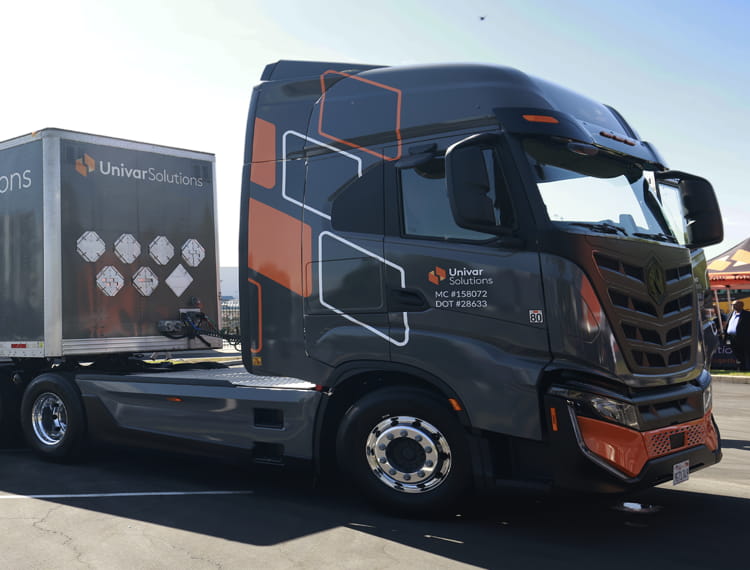
- Reducing fleet emissions by enhancing fuel efficiency in Internal Combustion Engine (ICE) vehicles, expanding the use of low- and zero-emission vehicles, diversifying fuel sources, and increasing the use of biodiesel and renewable diesel
- Energy efficiency initiatives, including investments in advanced equipment such as heating and cooling systems, compressed air infrastructure, lighting, sensors/timers, automation, and insulation.
- Enhancing operational processes to ensure equipment operates at peak efficiency. Examples include reviewing operating temperatures and air system pressures, improving start-up and power-down procedures, and meeting maintenance requirements.
- Increase in renewable energy and using market tools to promote renewable energy generation via REC’s and on-site Power Purchase Agreements (PPA’s)
- Fleet routing and mode optimization to reduce miles travelled
The achievement of these Scope 1 and 2 emissions reduction activities continues to be closely assessed for the impact they will have on our business, including the capital investments required, operational leases, and the return on investment we anticipate due to these climate change mitigation activities. These financial risks and opportunities are integrated into our business strategy and financial planning. The investments and expected returns are reviewed periodically by the Company’s senior management and the ESG Committee of the Board of Directors.
Beyond our Scope 1 and 2 emissions, we are also committed to reducing Scope 3 emissions through our value chain collaboration efforts. The activities supporting our Scope 3 emissions reduction plans have been developed as part of setting out our inaugural Scope 3 emissions reduction goal in early 2024. Further details on our approach to reducing these emissions and examples of our activities are detailed in the Sustainable Solutions section of this report.
Footnotes
1. Baseline for goals to 2025 and 2030 is calculated from the average of 2019 and 2020 performance.
2. Historic figures reported in this report may differ from those in previous reporting. This is due to purposeful restatements, details of which are
provided in the Behind the Report section.
3. Reductions in emissions related to Scope 2 emissions were based on Market-based emissions for baseline and current year.